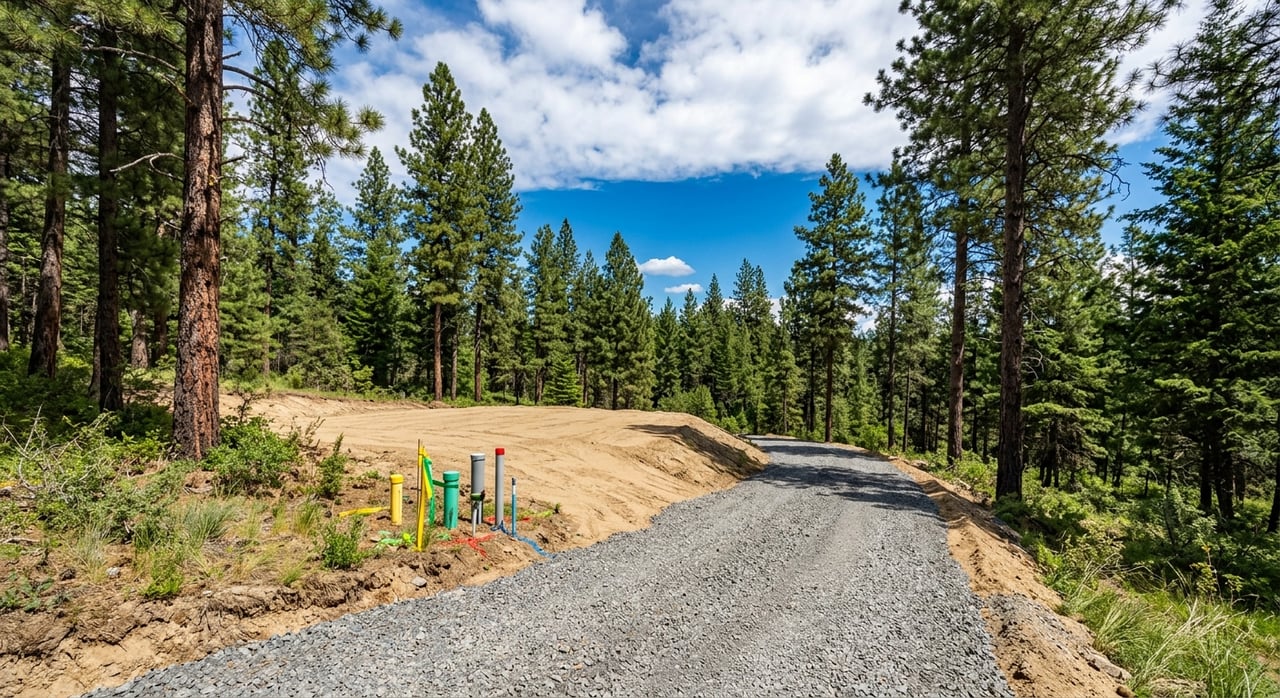
Buying vacant land in Black Forest can feel exciting right up until the big questions start piling up. Can you build what you want? Is there water? What about septic, access, and wildfire planning? If you are hoping to buy land with confidence, the key is knowing what to verify before you close. Let’s dive in.
Start With the Parcel Details
In Black Forest, the parcel matters more than the marketing language. Because this area is in unincorporated El Paso County, county zoning, permit, and road rules are the starting point for most vacant-land purchases.
Before you assume a lot is ready for your future home, confirm the parcel number, legal description, plat status, easements, and survey history. El Paso County’s assessor, surveyor, and planning departments all maintain public records and tools that can help you review those details early.
This step is important because buildability is not something you should guess based on a photo, street name, or subdivision label. A parcel may look ideal on paper but still have recorded conditions or physical limitations that affect what you can do with it.
Why Parcel Research Comes First
Survey and plat review should happen in your first round of due diligence, not at the very end. County survey staff file surveys and related records, and those records can help you better understand boundary questions and lot configuration.
You should also look at nearby planning activity. El Paso County’s planning tools, including EDARP and the planning projects dashboard, can help you identify approved or active projects nearby that may affect traffic patterns, views, or the surrounding feel of the area.
Verify What El Paso County Allows
Once you know exactly which parcel you are considering, the next question is simple: what does the county allow on that lot? El Paso County’s Land Development Code applies to development, uses, activities, and permits across zoning districts in unincorporated land.
That means you should confirm your intended use before closing. If you plan to build a home, detached garage, barn, workshop, fencing, or other improvements, those ideas need to match the zoning rules for that specific parcel.
Setbacks are another key part of the picture. In county code, setbacks are generally measured from the property line or road right-of-way, and some standards can change if a parcel has an overlay or another special zoning condition.
Check Accessory Structure Rules Early
Many buyers picture the house first and the outbuildings second. In Black Forest, that can be a mistake if you are buying acreage with plans for a shed, barn, detached garage, or workshop.
El Paso County states that accessory structures must follow zoning-district standards. In most residential districts, a building permit for an accessory structure is not authorized before the principal structure is built, except in A-35. The code also states that accessory structures should not be placed in easements unless the easement beneficiary allows it.
Zoning and Tax Classification Are Different
If a property is described as ranch land, horse property, or a future hobby-farm site, do not assume that zoning and tax treatment are the same thing. El Paso County’s assessor notes that agricultural classification depends on actual use, not zoning.
In general, the land must be used for farming or ranching for three continuous years to qualify for agricultural classification. That distinction matters when you are planning future use and reviewing ownership costs.
Treat Buildability as Four Separate Tests
One of the biggest mistakes buyers make with vacant land is treating buildability like a yes-or-no answer. In reality, a Black Forest parcel usually needs to pass several separate tests.
The main ones are water, septic, access, and wildfire planning. A lot may check one box and still present challenges in another area, so each category deserves its own review.
Water Questions Need Clear Answers
Water is often the biggest issue on rural land. El Paso County Public Health states that private wells are not monitored by government agencies, and owners are responsible for periodic testing.
The agency also notes that during a real estate transaction, the lender determines what testing is required. Colorado’s Division of Water Resources says every new groundwater well needs a permit, and some projects may require an augmentation plan before a well permit can be issued.
That means you should confirm the likely water source for the parcel and whether additional review may be needed. In some cases, this question alone can shape whether a lot fits your plans and timeline.
Septic Approval Is Its Own Process
If the parcel will rely on septic, El Paso County Public Health regulates onsite wastewater treatment systems, or OWTS. Permit applications for OWTS must be submitted by a licensed OWTS installer.
If there is an existing system, confirm whether it is permitted, whether it aligns with the home size you want, and whether it can be repaired or replaced if needed. Public Health also makes OWTS records available through its property search tools, which can be helpful during your due diligence period.
Access Can Affect Cost and Use
A beautiful parcel is much harder to enjoy if access is unclear, expensive, or difficult to maintain. El Paso County notes that converting a private road to county maintenance is usually difficult and expensive and may require a surveyor, engineer, contractor, right-of-way work, drainage fixes, and road design upgrades.
The county’s road impact fee program also applies to many new land-use approvals, including building permits, access permits, driveway permits, site plans, special use approvals, and variances. Those costs and requirements should be part of your budget conversation from the start.
For long driveways and roadside drainage, maintenance matters too. El Paso County says homeowners are responsible for the culvert under their driveway and the area 10 feet on each side, so make sure you understand those obligations before closing.
Utility Availability Must Be Confirmed
Some buyers assume utility service will be obvious once they know the general area. In Black Forest, that is not always the case.
Colorado Springs Utilities serves the Pikes Peak region with electricity, natural gas, water, and wastewater services, but the exact arrangement still needs to be verified for the specific parcel. This is another reason land purchases should be evaluated one parcel at a time rather than by neighborhood assumptions.
Wildfire Planning Belongs in Your Budget
Wildfire risk is a real site-planning issue in Black Forest. Black Forest Fire Rescue describes the area as a wildland-urban interface and offers mitigation assessments and wildfire-risk resources.
El Paso County also maintains the Black Forest Slash and Mulch program as a wildfire-mitigation resource. For you as a buyer, that means mitigation work may be part of the long-term cost and planning of ownership, not just an afterthought.
Build Your Team Before Closing
Vacant land purchases usually need more coordination than a typical home purchase. The right team can help you spot issues early, ask better questions, and avoid expensive surprises.
A strong vacant-land team often includes your buyer’s agent, a title and escrow company, a surveyor, a builder, and the specialists needed for water, septic, and road questions. In a market like Black Forest, that kind of early coordination can save time and stress.
Why a Builder Matters Early
Pikes Peak Regional Building Department notes that most new-construction projects require plan review before permit issuance. It also states that some permits require additional inspections by agencies outside the building department, such as zoning, fire, engineering, health, or utilities.
That is a strong reason to involve a builder early in the process. A builder can help you evaluate whether the lot can realistically support your intended home, driveway, grading, utility runs, septic field, and accessory structure plans.
County Offices Worth Checking
During your due diligence period, it helps to review information from the agencies that shape buildability in Black Forest. Key county and state resources include:
- El Paso County Assessor for parcel records
- El Paso County Surveyor for survey-related records
- Planning and Community Development for zoning, EDARP, and planning activity
- El Paso County Public Works for road, access, and drainage questions
- El Paso County Public Health for OWTS records and water testing information
- Colorado Division of Water Resources for well permitting and water-supply review
A Practical Buying Strategy for Black Forest Land
Buying vacant land in Black Forest is often as much a site-development decision as it is a real estate purchase. You are not just buying scenery or acreage. You are buying a specific parcel with specific rules, costs, and approvals attached to it.
A smart approach is to verify the parcel details first, confirm allowed uses second, and then test water, septic, access, and wildfire considerations one by one. When you do that early, you can move toward closing with clearer expectations and a more realistic budget.
If you are considering land in Black Forest and want a grounded, local perspective on how to evaluate the opportunity, The Daniels Team is here to help you think through the details and move forward with confidence.
FAQs
What should you check first when buying vacant land in Black Forest?
- Start with the parcel number, legal description, plat status, easements, survey history, and county records before relying on the listing description.
How do you verify zoning for a Black Forest land parcel?
- Because Black Forest is in unincorporated El Paso County, you should verify zoning, overlays, setbacks, and allowed uses through El Paso County planning resources for that specific parcel.
Does a Black Forest vacant lot automatically have water and septic approval?
- No. Water supply, well permitting, septic or OWTS approval, and related site conditions must be reviewed separately for each parcel.
Why does road access matter when buying land in Black Forest?
- Access affects usability, maintenance responsibility, possible permitting, and potential costs tied to private roads, driveways, culverts, drainage, and road-related approvals.
Can you build a barn or workshop before a house in Black Forest?
- In most residential districts, El Paso County does not authorize a building permit for an accessory structure before the principal structure is built, except in A-35.
Is agricultural classification the same as zoning for Black Forest land?
- No. El Paso County states that agricultural classification depends on actual farming or ranching use over time, while zoning addresses allowed land use and development standards.
Why is wildfire planning important for Black Forest land buyers?
- Black Forest is considered a wildland-urban interface area, so mitigation work, risk awareness, and related site-planning costs should be part of your evaluation before closing.