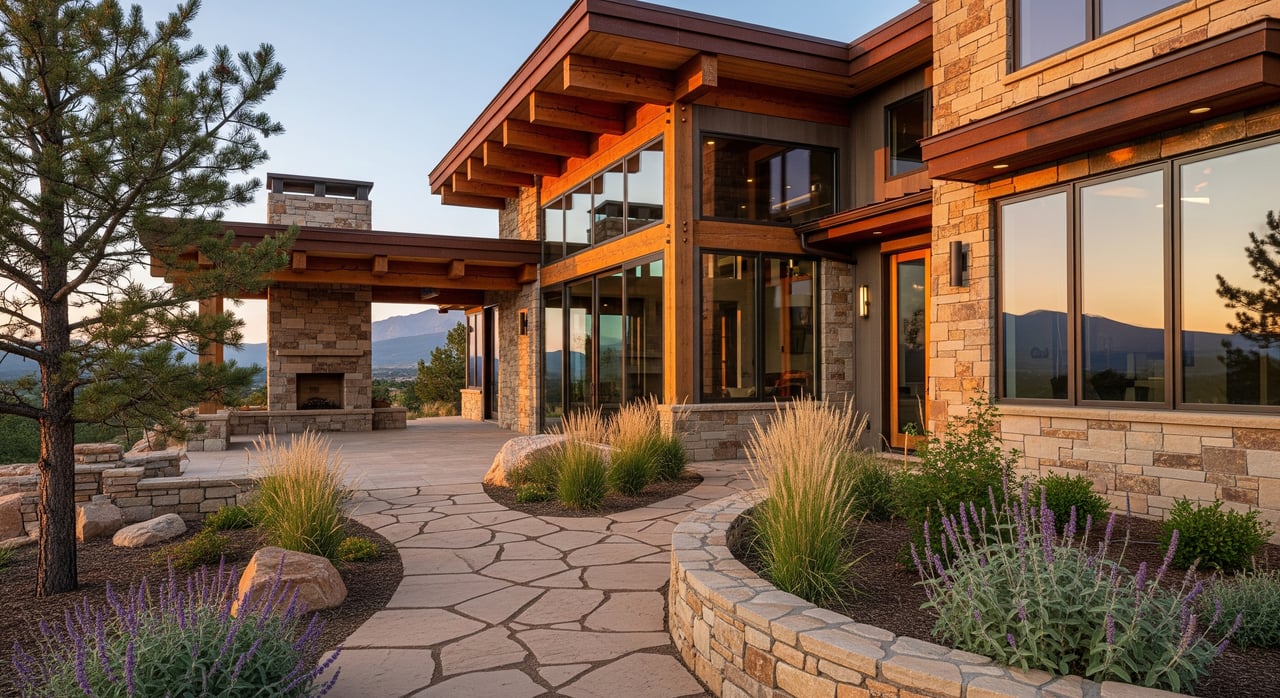
Thinking about building your next home in Cordera but not sure how to choose the right builder? You’re not alone. Between HOA guidelines, local permits, upgrades, and timelines, it can feel like a lot to juggle. In this guide, you’ll learn how to vet builders, read contracts with confidence, and plan for Cordera’s site and climate factors so your new home stands the test of time. Let’s dive in.
Cordera basics that affect builders
Cordera is a planned community in El Paso County, which means community guidelines and local permits shape what you can build and how. Here are the key factors to consider before you pick a builder or a plan.
HOA rules and design guidelines
- Many planned communities use HOAs and CCRs that regulate exterior styles, colors, materials, fencing, and landscaping.
- Some builders may be pre-approved for the community, while others must submit plans for architectural review.
- Action step: review Cordera’s CCRs and Design Guidelines early so your plan, finishes, and lot improvements align with requirements.
Permits and inspections
- Building permits and inspections are handled by the city or county, depending on the lot’s jurisdiction in the Colorado Springs and El Paso County area.
- Ask for your builder’s permit history and verify there are no open violations with the local building department.
- Action step: confirm which authority issues your permits and how inspections will be scheduled.
Climate and site conditions
- High-altitude, semi-arid climate: large temperature swings and cold winters call for proper insulation and air sealing.
- Snow loads and roof design: confirm the roof is engineered for local loads and weather.
- UV exposure: exterior finishes and paint should be selected for durability under strong sun.
- Frost depth, soils, and drainage: foundations, grading, and waterproofing are critical to prevent frost heave and moisture issues.
- Radon: much of Colorado has elevated radon potential. Consider radon-resistant construction and post-build testing.
- Water management: intense summer storms mean your lot and the neighborhood drainage plan must move water away from the foundation.
Builder types and what to expect
Understanding how builders operate in a master-planned community will help you choose the best fit for your budget and timeline.
Builder categories
- Production builders: standardized plans, predictable pricing, faster timelines, and limited customization.
- Semi-custom builders: more options and plan changes with moderate flexibility.
- Custom builders: full customization, typically higher cost and longer build time. Flexibility may be limited by CCRs and lot sizes.
New-construction formats
- Spec or quick move-in homes: already under construction or finished, with faster closings and fewer customization options.
- Built-to-order homes: you select a plan and finishes within builder and HOA constraints, with longer timelines.
Common trade-offs
- Lot premiums: orientation, views, or size often carry added cost.
- Exterior controls: HOA design standards can limit exterior choices.
- Amenities and dues: parks and trails are maintained through HOA dues. Factor monthly and one-time HOA fees into your budget.
Your due diligence checklist
Use this step-by-step checklist to compare builders on facts, not just sales pitch.
Legal and financial checks
- Verify licensing or applicable registrations and ensure subcontractors carry required trade licenses.
- Request proof of insurance for general liability and workers’ compensation.
- Ask if deposits are protected by escrow or performance bonds.
- Search public records for liens, bankruptcies, or pending litigation.
Reputation and performance
- Ask for a list of homes completed in the past 12 to 36 months, plus homeowner references.
- Visit completed homes and model homes to review fit and finish.
- Review complaint histories and code violation records, and check relevant trade association memberships.
Contracts and warranties
- Request a sample purchase contract and confirm: deposit and refund terms, completion date language, delay provisions, allowances vs fixed-price items, change order pricing, and financing contingencies.
- Warranty expectations often follow a structure like: 1-year workmanship for non-structural items, 2 to 3 years for systems, and a 10-year structural warranty. Confirm exact terms and whether a third party backs the warranty.
- Ask how warranty requests are submitted, response timelines, and who performs repairs.
Quality assurance and inspections
- Plan for independent inspections at least twice: pre-drywall and final walkthrough. Confirm the builder allows third-party inspections.
- Ask about the builder’s punch list process and how post-closing items are handled.
- Request energy and performance documentation such as blower door test results, HERS score, insulation R-values, and any ENERGY STAR certifications.
Subcontractors and materials
- Request a list of major subcontractors and suppliers, especially framing, concrete, roofing, and HVAC.
- Confirm brands and model lines for key equipment and whether manufacturer warranties transfer to you.
- Ask about installation standards for flashing, roofing underlayment, window and door installation, and exterior drainage.
Permits, inspections, and closing paperwork
- Request permit copies, inspection logs, and the certificate of occupancy once issued.
- Confirm that lien waivers are used and that final lien releases will be provided at closing.
Price, timelines, and financing
Analyze the full cost of your home, not just the base price, and build in time for weather and supply variables.
Pricing elements to review
- Base price versus standard inclusions. Ask for a written features list.
- Lot premium for views, orientation, grading, or size.
- Allowances for flooring, cabinets, counters, and appliances. Clarify how overages are charged.
- Landscaping: many builders include basic front yard only. Check HOA landscaping requirements and costs.
Timeline considerations
- Spec homes can close in weeks. Built-to-order homes often take several months, and weather, supply chains, and subcontractor availability can extend schedules.
- Ensure the contract addresses finish date, extensions, and remedies for substantial delays.
Financing and closing
- For completed homes, a standard mortgage is common. For a ground-up build, you may use construction-to-permanent financing.
- Builders sometimes offer incentives through preferred lenders. Always compare independent loan quotes and total costs.
- Clarify what you finance and when, final inspection timing, and how HOA transfer fees or capital contributions are handled.
Negotiation levers
- Incentives can include closing cost credits, upgraded finishes, interest rate reductions, or rate buy-downs.
- Decide between upgrade allowances and seller concessions. Ask to include items that are costly to add later, like window coverings or irrigation.
- Compare the final price to similar completed homes to confirm value.
Smart questions to ask builders
- Are you active in Cordera now, and which lots have you completed in the past 24 months?
- May I tour recent completed homes and speak with homeowner references?
- Who will be my on-site contact and project manager?
- What is included in the base price, and can I see a written standard features list?
- What are typical upgrade costs for cabinets, counters, flooring, and HVAC?
- How do you handle change orders, pricing, and processing time?
- What is the estimated schedule, and what is your on-time completion rate?
- What warranties do you provide, and are they backed by a third party?
- Will you allow independent inspections at pre-drywall and final phases?
- Can you provide proof of insurance, and do subcontractors carry insurance?
- How are punch list and warranty repairs handled, and how long do they take on average?
- Can I review a sample contract and a breakdown of closing costs and HOA fees?
Documents to request
- Sample sales contract and warranty manual.
- Energy performance documents such as HERS scores or blower door test results, if available.
- List of subcontractors and major product brands.
- Permit and inspection history for the lot.
- HOA covenants, bylaws, design guidelines, fee schedule, and any pending special assessments.
Local resources to consult
- Colorado Division of Real Estate for licensing and consumer guidance.
- El Paso County or City of Colorado Springs building departments for permits and inspections.
- Colorado Common Interest Ownership Act for HOA governance basics.
- EPA radon guidance and local radon information.
- National and local home builders associations for best practices.
- Better Business Bureau and state consumer protection offices for complaint histories.
Avoid common surprises
- Concern: builder quality. Solution: verify recent local projects, talk to references, and hire independent inspectors at key phases.
- Concern: warranty coverage. Solution: confirm written terms, who administers service, and third-party backing.
- Concern: surprise costs. Solution: require a detailed inclusions list, compare allowances to actual price sheets, and keep all change orders in writing.
- Concern: delays. Solution: clarify completion timelines, extensions, and remedies in the contract, and understand local permitting schedules.
- Concern: HOA impact. Solution: get CCRs early and choose a builder experienced with architectural reviews in planned communities.
Next steps with a local advisor
Choosing the right builder in Cordera comes down to documented performance, transparent contracts, and fit for your lot, timeline, and budget. If you want a knowledgeable local guide to help evaluate builders, review contracts, and coordinate inspections, our team is here to help. Connect with The Daniels Team to talk through your plans, compare options, and map out a clear path to a successful new build.
FAQs
What should I review first when building in Cordera?
- Start with HOA CCRs and Design Guidelines, then confirm which local authority issues permits for your specific lot.
How do I compare builders on quality in El Paso County?
- Tour recent projects, check permit and inspection histories, speak with references, and schedule independent inspections at pre-drywall and final stages.
What warranties are typical for new homes in Colorado?
- Many builders offer about 1 year for workmanship, 2 to 3 years for systems, and roughly 10 years for structural items. Always confirm exact written terms.
How can I prevent budget overruns on a new build?
- Get a detailed inclusions list, verify upgrade price sheets, set realistic allowances, and require written change orders before work starts.
What timeline should I expect for a built-to-order home?
- Timelines often range from several months to longer depending on weather, supply chains, and subcontractor availability. Confirm delay provisions in your contract.
Do builders in Cordera allow third-party inspections?
- Many do, but policies vary. Ask for written approval for inspections at pre-drywall and final walkthrough stages before you sign.
Which financing options fit new construction?
- Completed homes often use standard mortgages, while ground-up builds may use construction-to-permanent loans. Compare any builder-lender incentives to independent offers.