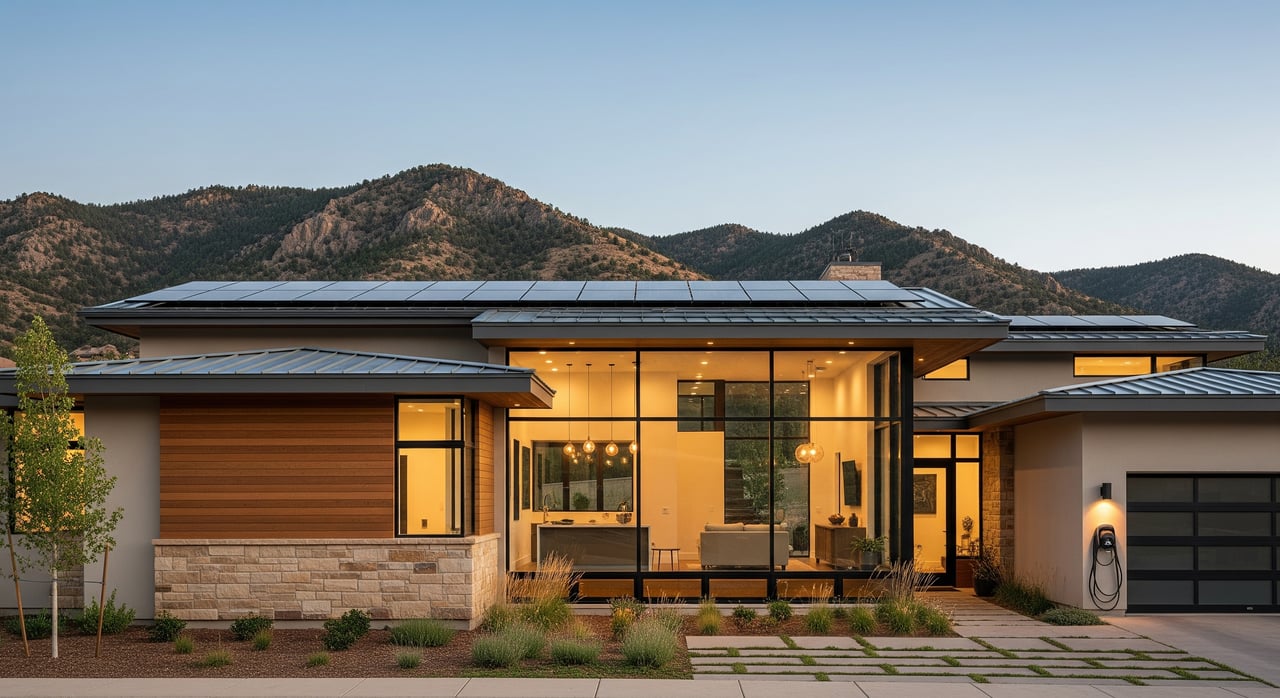
Tired of watching winter heating bills spike in Cordera? You are not alone. In our high-plains climate with cold winters and warm, dry summers, comfort and costs can swing fast. This guide shows you which energy-efficient upgrades pay off most in Cordera, how to prioritize them, and where to find incentives. Let’s dive in.
Cordera climate: what pays off
Cordera sits in a heating-dominated climate, so reducing heat loss delivers the biggest savings. Air sealing, attic insulation, and efficient heating systems tend to outperform cosmetic changes. Cooling upgrades still matter for summer comfort but usually rank second for annual energy impact. For a deeper overview of proven strategies, explore the U.S. Department of Energy’s Energy Saver guidance on whole-home efficiency and weatherization.
Start with a home energy assessment
Before you spend, get a professional energy assessment. A qualified audit identifies where your home is losing energy and which fixes pay back fastest.
- What to expect: blower-door test, duct leakage test, insulation inspection, and a prioritized upgrade plan.
- Who to hire: look for BPI or RESNET credentials, and ask if they provide before-and-after testing.
- Why it matters: the audit helps you avoid over-spending on lower-impact projects. It also creates documentation you can share with buyers.
For trustworthy how-to guidance on home upgrades and planning, review the U.S. Department of Energy’s Energy Saver resources at Energy Saver.
Best low-cost upgrades
Air sealing and weatherization
Sealing gaps around attic penetrations, recessed lights, plumbing, and door frames cuts drafts and heat loss. In Cordera’s dry, cold winters, air sealing is often the highest-return first step. ENERGY STAR and DOE both highlight air sealing as foundational to efficiency. Learn more from ENERGY STAR’s home improvement guidance.
Smart or programmable thermostat
A smart thermostat schedules temperature setbacks when you are away or asleep. Savings vary by your habits, but installation is quick and cost-effective. Many local utilities periodically rebate smart thermostats, so check your provider.
LED lighting and simple habit tweaks
LEDs use far less electricity than older bulbs and last longer. Combine them with easy habits like winter temperature setbacks and summer ceiling-fan use. These small tweaks add up across the year.
Mid-cost upgrades with strong value
Attic insulation with top-side air sealing
Attics are a major path for heat loss. Adding insulation and sealing top plates and the attic hatch can produce noticeable winter bill reductions. Ensure proper attic ventilation and moisture management for best performance.
Duct sealing and insulation
Leaky or uninsulated ducts waste conditioned air, especially if they run through garages or attics. Professional duct sealing improves comfort in rooms that run hot or cold and helps your HVAC perform as designed. Ask for diagnostic testing to verify results.
High-efficiency water heating
If your water heater is aging, a high-efficiency model or a heat pump water heater can lower energy use substantially, especially if you currently have electric resistance. Confirm space, venting, and electric capacity before you upgrade.
Window improvements, selectively
If your windows are failing, replacing them can boost comfort and curb appeal. Otherwise, prioritize air sealing and insulation first, as they typically deliver better ROI. Consider low-e films or storm panels as interim steps.
Bigger investments that can make sense
Cold-climate heat pumps
Modern air-source heat pumps are designed to perform well in Colorado winters and can provide efficient heating and cooling in one system. If you heat with electric resistance or an older system, the upgrade can be compelling, especially with incentives. For technical background on performance and trends, see NREL’s resources and DOE’s heat pump guidance via Energy Saver.
Solar photovoltaic systems
Our region’s strong solar resource can translate into meaningful bill reductions and a hedge against future rate increases. Payback depends on system cost, roof orientation, your utility’s net-metering rules, and incentives. If your roof is nearing replacement, plan roof and solar together. Always check HOA design covenants and utility interconnection steps before you sign a contract.
Whole-house ventilation with heat recovery
In tighter homes, an HRV or ERV can improve indoor air quality while recovering heat from exhaust air. This is most attractive after you have completed air sealing and insulation.
Incentives and how to find them
Incentives change frequently, so always verify details and eligibility before starting work.
- Federal tax credits: The Residential Clean Energy Credit supports solar and some storage. The Energy Efficient Home Improvement Credit supports upgrades like heat pumps, insulation, and windows. Review current rules on the IRS website.
- State and local programs: Search the DSIRE database for Colorado and the Colorado Energy Office for statewide programs and utility links.
- Local utilities: Depending on your Cordera address, your provider may offer rebates for weatherization, smart thermostats, heat pumps, or HVAC tune-ups. Check your utility’s website for current offerings.
- Product guidance: Use ENERGY STAR to find certified, high-efficiency models that qualify for incentives.
Financing options to explore include Residential PACE in some Colorado jurisdictions, on-bill utility financing, and weatherization assistance for qualifying households. Program availability varies by municipality and utility.
For sellers: quick wins before you list
- Tackle air sealing at the attic hatch and exterior doors, and replace worn weatherstripping.
- Install a programmable or smart thermostat, swap in LEDs, and freshen caulk at window and door trims.
- If your attic is under-insulated, bring it up to recommended levels for immediate comfort and savings.
- Create a simple binder with receipts, permits, model numbers, and any audit reports. Buyers value verifiable documentation of lower operating costs.
Larger upgrades like a newer high-efficiency HVAC system, attic insulation, a heat pump, or solar can be marketed as long-term comfort and savings. Highlight estimated annual savings and any transferable warranties or production estimates.
For buyers: plan your first year
- Ask for 12 months of recent utility bills to understand operating costs.
- If the home needs updates, consider prioritizing insulation, duct sealing, and a smart thermostat in your first projects.
- For bigger systems, decide whether to request a seller credit or plan your own post-closing install. Many buyers prefer choosing their own contractors and equipment.
How to hire and manage pros
- Start with a credentialed energy audit by a BPI or RESNET professional.
- For HVAC, look for NATE-certified technicians with cold-climate heat pump experience.
- For insulation and air sealing, hire contractors who perform blower-door testing before and after the job.
- For solar, prefer NABCEP-certified installers and confirmed interconnection experience with your utility.
- Confirm permits, HOA design rules, and equipment placement before work begins. Document everything for future resale and tax-credit claims.
Cordera’s climate rewards smart, practical upgrades that reduce heat loss and improve comfort. Start with the basics, stack incentives to lower your costs, and keep clear documentation to showcase value when you sell. If you want a tailored plan for your home and timeline, connect with The Daniels Team for local guidance and proven market strategy.
FAQs
Will attic insulation really lower bills in Cordera?
- In our heating-dominated climate, attic insulation paired with air sealing is often one of the most cost-effective upgrades, reducing heat loss and winter bills.
Are cold-climate heat pumps a good fit for Cordera winters?
- Yes. Modern cold-climate air-source heat pumps are designed to perform well in Colorado winters and can cut heating energy use compared to older systems, depending on fuel prices and incentives.
Do new windows pay off before selling in Cordera?
- Replace windows if they are failing or clearly hurting comfort and curb appeal, but prioritize air sealing and insulation first for better ROI in most homes.
How do I find rebates and tax credits for El Paso County homes?
- Start with the DSIRE database for Colorado, the Colorado Energy Office, and federal credits on the IRS site. Then check your specific utility’s rebates.
Can I install solar in Cordera if my HOA has design rules?
- Many HOAs have design guidelines. Review your covenants and confirm permits and utility interconnection steps before signing a contract.
What documentation helps buyers value my energy upgrades?
- Keep a binder with invoices, model numbers, permits, incentive paperwork, audit reports, and any measured results like blower-door tests or solar production estimates.