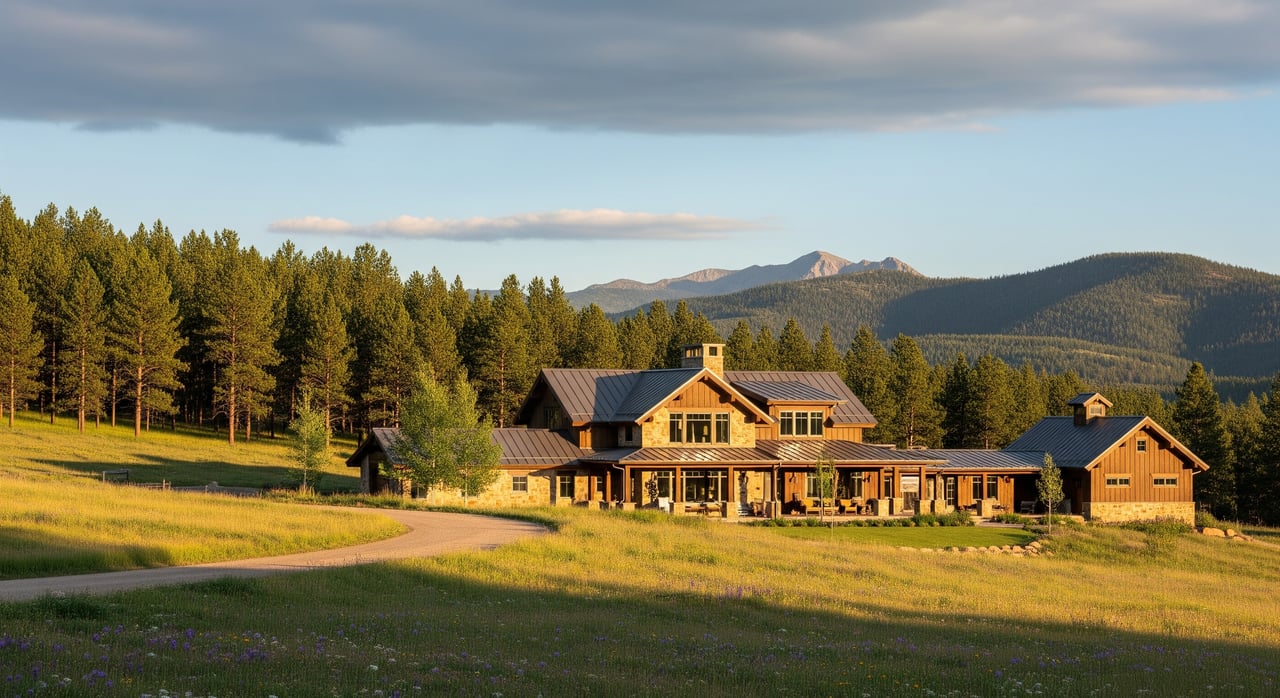
Thinking about selling an acreage home in Black Forest and not sure where to start on price? You’re not alone. Acreage in this rural, wooded part of El Paso County is unique, and the right price depends on far more than a simple price-per-acre number. In this guide, you’ll learn what really drives value in Black Forest, how to build a strong pricing strategy, and which documents help you earn top dollar with fewer surprises. Let’s dive in.
Why pricing acreage here is different
Black Forest attracts buyers who want privacy, trees, and room for hobbies or horses, all within reach of Colorado Springs. Commute time, road access, and utility setup play a big role. Wildfire history, insurance availability, and risk mitigation also affect buyer confidence and offers. A thoughtful price considers usable land, water, access, and documentation that reduces uncertainty.
Know your likely buyer pools
Different buyers value different features. Understanding who will pay a premium helps you position price and marketing.
- Equestrian or hobby-farm buyers who need paddocks, barns, and fencing.
- Rural lifestyle buyers who want privacy, tree cover, and trails.
- Recreational buyers who use ATVs or want private paths.
- Occasional developer or land-assemblage buyers when zoning and parcel configuration allow.
The factors that drive value
Usable acreage vs gross acreage
Buyers pay more for land they can actually use. Flat, buildable areas, fenced pasture, and space for outbuildings matter most. Steep slopes, wetlands, floodplains, and right-of-way areas reduce usable acreage and value.
Parcel configuration and access
Compact shapes and good frontage on maintained roads boost appeal. Long, narrow lots, gated or private roads, and distance from pavement can deter some buyers and complicate financing. Confirm any road maintenance agreements or HOA/private road costs.
Zoning, covenants, and permitted uses
Your zoning designation and any recorded covenants influence what a buyer can do on the land. These rules affect your buyer pool and price. Verify current standards with county planning before you list.
Water supply and water rights
In arid Colorado, water is critical. Well existence, age, permit status, yield in gallons per minute, and water quality are major pricing drivers. A documented, producing well is a premium feature, while gaps in documentation or performance can reduce price.
Septic and on-site wastewater
Lenders and buyers often require a passing septic inspection or proper permits. System age, type, and capacity matter. A clean inspection and clear records help protect your price.
Utilities and services
Electric availability, natural gas or propane setup, and reliable internet influence livability and costs. Proximity to fire protection and documented wildfire mitigation may reduce insurance hurdles and support stronger offers.
Improvements and usable infrastructure
Functional barns, arenas, paddocks, quality fencing, sheds, driveways, and water storage tanks add meaningful value. Equestrian-ready features with good workmanship and maintenance tend to command premiums.
Environmental and hazard factors
Wildfire risk is a real consideration in Black Forest. Defensible-space work and fuels reduction can increase buyer confidence. Be mindful of insect impacts, floodplain or wetlands, erosion, and noxious weeds that affect pasture quality.
Soils and drainage
Soil type affects septic feasibility, pasture productivity, and foundation design. Buyers appreciate clarity on soil suitability and drainage. Presenting reliable soil information helps avoid pricing surprises later.
Title considerations and encumbrances
Recorded easements, conservation restrictions, mineral reservations, or agricultural leases can limit use and value. Clear title findings should be disclosed early so you can price and negotiate with confidence.
Survey and boundary certainty
A current boundary survey increases buyer trust and reduces risk. Unclear lines or gaps in surveying tend to push offers lower. Clean, recent surveys support higher pricing and smoother appraisals.
How to value acreage in Black Forest
A blended approach usually works best.
- Sales comparison approach is primary. Use recent sales of similar acreage and improvements, then adjust for usable acres, water, access, topography, and distance to services.
- Cost approach helps allocate value between land and improvements, especially when structures are newer or comps are scarce.
- Income approach is rarely the lead method unless the property produces income through agricultural leases or similar uses.
Building a strong comp set
Gather sales from the last 6 to 24 months, prioritizing the most recent and most similar. If needed, widen the radius but keep a close eye on terrain, access, and proximity to Colorado Springs. Treat price per acre as a starting point only. Smaller parcels often show a higher price per acre than very large tracts, and usable acreage will outweigh raw size in most adjustments.
Common adjustments you should expect:
- Usable acreage and topography. Flat, fenced, irrigated pasture earns a premium vs steep or heavily wooded areas.
- Water and well documentation. A proven, permitted well with known yield adds value. Unknown or poor performance reduces price.
- Outbuildings and equestrian features. Engineered barns, arenas, and quality fencing carry significant weight.
- Access and road maintenance. County-maintained paved access is a plus compared with long, private, or unmaintained roads.
- Wildfire mitigation and defensible space. Documented mitigation can increase offers and limit insurance friction.
- Utilities availability. On-site utilities and shorter extension needs reduce buyer cost and raise perceived value.
A step-by-step pricing plan
Build your property dossier. Gather the deed, county assessment and tax history, building permits, survey, covenants, well permit and log, septic permit, prior inspections, and insurance history.
Verify boundaries and usable land. If your survey is old or missing, order a current boundary survey. Prepare a simple site map that highlights buildable areas and existing improvements.
Complete key inspections. Schedule a well flow test and water-quality lab analysis. Order a septic inspection. Consider a wildfire risk and defensible-space assessment so you can showcase mitigation.
Pull and analyze comps. Use recent MLS sales and public records. Talk with an experienced rural appraiser for perspective on adjustments such as water, improvements, and topography.
Allocate land vs improvements. Use the cost approach to understand replacement value of barns, arenas, fencing, or newer homes, then layer on land value from comps.
Set a pricing strategy. Decide whether to price at market for maximum exposure or slightly under to drive early activity. Consider seasonality and buyer pool timing.
Prepare premium marketing. Share maps, surveys, well and septic reports, soil information, and wildfire mitigation documentation. Reducing uncertainty supports higher pricing and easier appraisals.
Avoid common pricing pitfalls
Relying on tax assessments. Assessed values are for taxation and often lag the market.
Using a single price-per-acre number. Value is not linear with size and hinges on usability, access, and improvements.
Overlooking wildfire insurance impacts. Availability and premiums can shift after major fires. Be proactive and verify options.
Documents that help you sell for more
Provide these upfront when possible to build buyer trust and protect your price:
- Boundary survey and usable acreage figure.
- Well permit, well log, recent flow test, and water-quality results.
- Septic permit and a recent inspection report.
- Permits and as-built docs for barns, arenas, and other improvements.
- Covenants or restrictions and any HOA or road maintenance agreements.
- Title report summarizing easements, mineral reservations, and encumbrances.
- Topographic map that highlights buildable areas and drainage.
- Wildfire mitigation records and fuels-reduction work.
- Soil tests or relevant soil survey excerpts.
Marketing and negotiation tips for acreage
- Highlight what matters. Lead with usable acreage, documented water, equestrian-ready features, and access.
- Target the right buyers. Reach equestrian, hobby-farm, and rural-lifestyle audiences who value your improvements.
- Expect practical contingencies. Be ready to share well, septic, and survey documents quickly to keep momentum.
- Allow time for the right match. Larger or irregular parcels can take longer to connect with specialized buyers.
When to bring in specialists
- Rural appraiser for nuanced adjustments and support if comps are thin.
- Licensed well driller or hydrogeologist for reliable flow tests and guidance on water questions.
- Septic inspector or county environmental health for on-site wastewater clarity.
- Licensed land surveyor for boundary and topographic surveys.
- Title company for easement, mineral rights, and encumbrance reviews.
Ready to price with confidence and present your acreage the right way? Let’s talk through your parcel’s usable acreage, water, access, and improvements, then craft a plan tailored to Black Forest buyers. Connect with The Daniels Team to get started.
FAQs
How is acreage pricing in Black Forest different from city lots?
- Acreage pricing relies on usable land, water, access, and improvements, while city lots tend to price more by house features and neighborhood comps.
What documents do Black Forest buyers want to see first?
- A current survey, well permit and flow test, septic inspection, and any wildfire mitigation records usually come first, followed by maps, covenants, and title details.
Does price per acre work for Black Forest homes with land?
- Use it only as a starting point. Smaller parcels often show higher per-acre prices, and usable acreage, water, access, and barns can outweigh raw size.
How does wildfire risk affect my home’s value in Black Forest?
- Documented defensible space and mitigation can improve buyer confidence and reduce insurance friction, which helps support stronger offers.
Will a failing or undocumented well lower my sale price?
- Yes. Unknown or poor well performance typically requires a price discount, while a permitted well with documented yield adds value.
Should I do a septic inspection before listing an acreage property?
- Yes. A clean septic report removes uncertainty for buyers and lenders and can prevent price reductions during inspection or appraisal.