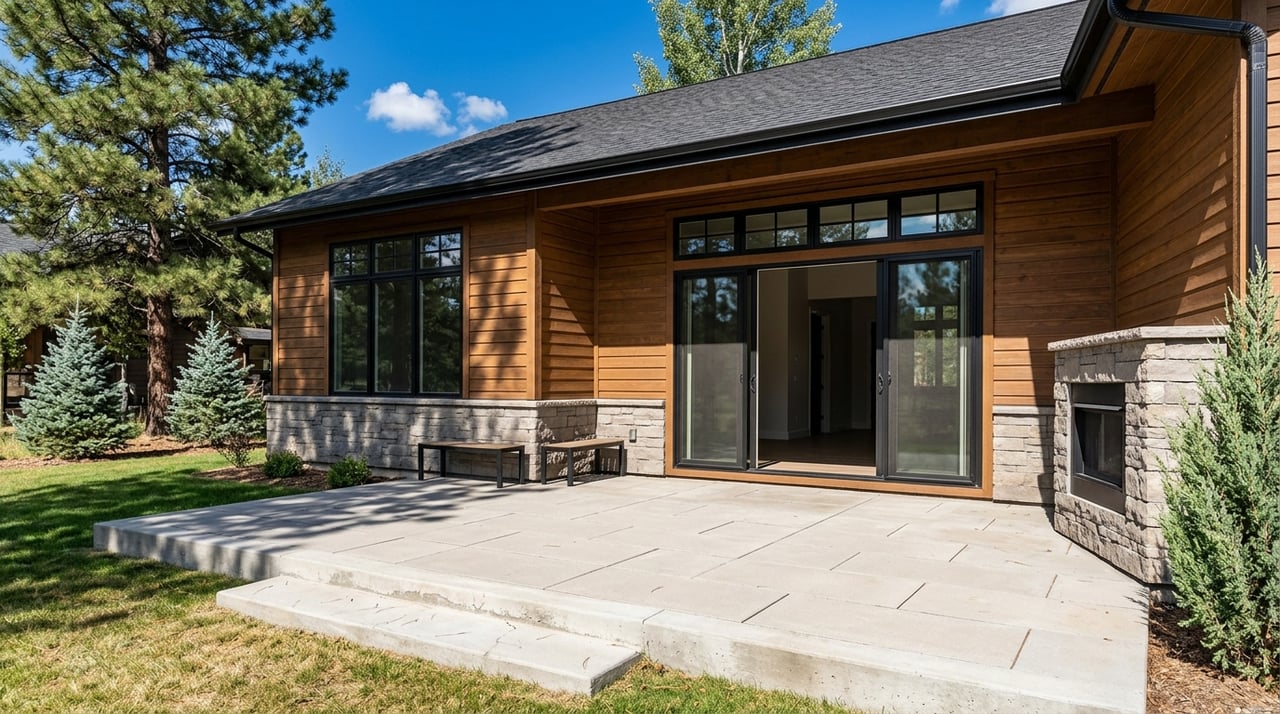
Looking for a home style that feels current without feeling out of place in Black Forest? That balance matters here. You want a home that takes advantage of the trees, views, and open space while still working well for daily life in Colorado. This guide walks you through mountain-modern ideas that fit the Black Forest setting, from exterior materials to windows, outdoor living, and wildfire-aware details. Let’s dive in.
Why mountain-modern fits Black Forest
Black Forest is known for ponderosa pines, open meadows, wildlife, and long views toward Pikes Peak and the Front Range. El Paso County planning materials also point to the area’s rural-residential character, open space, terrain, and natural resources. That makes a quieter, site-sensitive design feel like a natural match.
In this setting, mountain-modern is not really about a heavy lodge look. It is more about clean lines, natural textures, and a home that blends into the landscape. For many buyers, that creates the right mix of comfort, style, and connection to the outdoors.
Exterior ideas that feel grounded
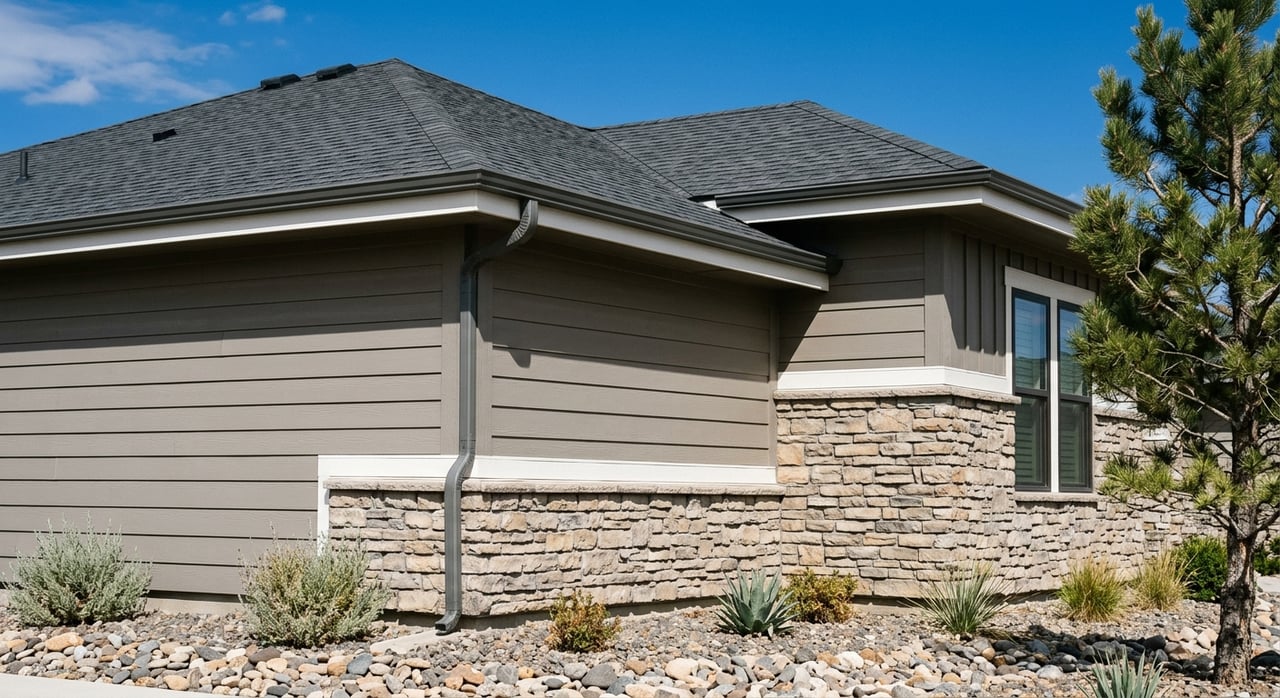
Mountain-modern homes often pair simple forms with natural materials like wood, stone, and metal accents. In Black Forest, that combination can feel updated without looking too polished or out of step with the wooded surroundings. The goal is usually a home that feels warm, calm, and connected to the site.
Low-slung massing, simple rooflines, and a restrained exterior palette tend to work especially well here. Broad areas of glass can add a modern look, but the overall design usually feels strongest when the house complements the trees and terrain instead of competing with them. That is one reason this style translates so well to rural-residential properties in the area.
Skip the log-cabin stereotype
If you love the idea of mountain style but want a cleaner look, you do not need to default to rustic log construction. In Black Forest, a more practical approach is often a streamlined exterior with warm materials and durable detailing. That gives you the visual appeal of mountain-modern while supporting long-term performance.
This can include fiber-cement siding, stone accents, metal details, and other ignition-resistant choices near the home. The result still feels inviting, but it is often better suited to local conditions.
Wildfire-aware design matters early
In Black Forest, design choices are not just about looks. They also need to account for wildfire mitigation from the start. Colorado State Forest Service guidance recommends features such as a Class A roof, screened attic and foundation vents, tempered or multi-pane windows, and at least 6 inches of clearance between siding and the ground.
The same guidance also points to replacing combustible fencing or gates within 5 feet of the home. Colorado mitigation materials also mention fiber-cement siding, metal-clad or fiberglass window frames, Class A decking, noncombustible fencing near the structure, gutter guards, and ember-resistant venting. These details can support both appearance and resilience.
Focus on the first five feet
One of the smartest mountain-modern ideas for Black Forest is to think carefully about the area closest to the home. Materials and layout in that first zone matter. Clean hardscaping, noncombustible features, and thoughtful transitions between the house and landscape can make a big difference.
That approach also fits the mountain-modern style well. A simple gravel, stone, or hardscape edge around the home can look clean and intentional while supporting home hardening goals.
Window placement for views and comfort
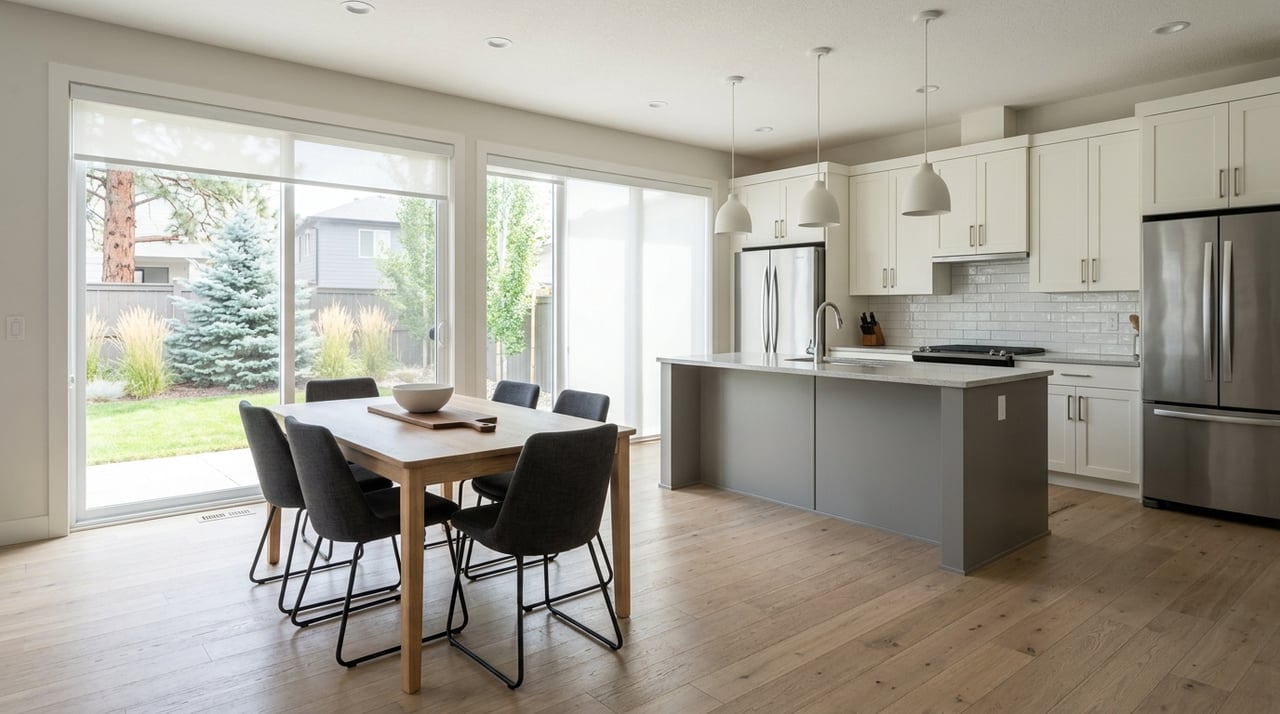
Large windows are often one of the most appealing parts of mountain-modern design. In Black Forest, they can frame pine-covered lots, meadow openings, and distant mountain views. But bigger windows work best when placement is strategic, not uniform on every wall.
The U.S. Department of Energy notes that south-facing windows can bring in winter sun, while north-facing windows provide more even light with less glare. East- and west-facing windows can create more glare and summer heat gain. For buyers in Black Forest, that means the best layouts often focus glass where the views are strongest and the light is easier to manage.
Choose performance, not just size
If you are building or remodeling, window performance deserves as much attention as window shape. DOE recommends comparing NFRC and ENERGY STAR labels and matching low-e coatings, U-factor, and solar heat gain choices to the climate and exposure. That is especially useful when you want a bright interior without sacrificing comfort.
A well-designed mountain-modern home usually uses glass with intention. Instead of making every room a wall of windows, it frames specific views, brings in useful daylight, and reduces unnecessary heat gain or glare.
Use skylights carefully
Skylights can bring in extra daylight, especially in deeper interior spaces. But DOE also notes that roof openings can increase summer heat gain and winter heat loss if they are not selected and installed carefully. In Black Forest, that makes skylights more of a secondary feature than a primary design solution.
If you love natural light, thoughtful wall-window placement will usually do more for your day-to-day comfort. Skylights can still help, but they should support the overall design rather than carry it.
Outdoor living that fits the land
One of the best parts of living in Black Forest is having space to enjoy the outdoors at home. Mountain-modern design often leans into that with covered decks, patios, screened porches, and simple gathering areas that feel sheltered and usable across more of the year. Those spaces can help your home feel larger without overbuilding the site.
The local setting supports a lighter touch outdoors. Black Forest is defined by wooded openings, meadow terrain, and long views, so outdoor spaces often feel most authentic when they preserve sightlines and work with the landscape rather than paving over it.
Plan for climate and microclimate
DOE says landscape design should consider local climate and microclimate. Trees, shrubs, and vines can provide shade or act as windbreaks, and in cooler regions it helps to allow winter sun to reach south-facing windows. Native and drought-tolerant planting can also be a practical choice where appropriate.
For Black Forest buyers, that often means balancing beauty with function. You may want sheltered seating areas, hardscaped gathering spaces, and plantings that feel natural to the setting while still helping with shade, wind, and maintenance.
Keep outdoor spaces wildfire-aware
Wildfire mitigation applies outside too. Colorado State Forest Service guidance recommends removing pine needles and other debris from roofs, decks, and gutters, keeping grass low, and isolating chip piles away from the home. In a pine-heavy area like Black Forest, these maintenance steps are part of owning the setting that makes the area so appealing.
El Paso County materials also note that wildland-urban interface projects may require a mitigation plan that addresses access, water supply, structure design, ignition potential, vegetation, defensible space, slope, wind, and fire history. If you are planning a build or major remodel, it makes sense to account for those issues early.
Smart updates for buyers and sellers
If you are buying in Black Forest, mountain-modern ideas can help you see a property’s potential more clearly. A home does not need to be brand new to move in this direction. Sometimes the strongest improvements are simple ones that update the look, improve function, and support mitigation goals at the same time.
For sellers, these same updates can improve presentation and strengthen buyer appeal. Refreshed siding, a sound roof, upgraded windows, composite or noncombustible decking, ember-resistant vents, and a lower-maintenance landscape near the house can all support that story.
Best conversations to have before a project
If you are planning to build, remodel, or evaluate a home purchase, these are smart topics to raise early:
- How will the home frame wooded and mountain views?
- Which sides of the home will have the most glass?
- How will the design manage glare and summer heat gain?
- Which exterior materials are both attractive and ignition-resistant?
- How will the first five feet around the structure be detailed?
- What local wildfire planning or mitigation requirements may apply?
Those questions can help you move beyond style alone. They also lead to better decisions about comfort, maintenance, and long-term value.
A possible tax angle
Colorado offers a wildfire mitigation measures tax credit for qualifying out-of-pocket expenses on property in a wildland-urban interface area. If you are considering mitigation-focused updates, that may be part of your broader planning conversation. It is one more reason many Black Forest buyers and owners look at resilience and design together rather than as separate projects.
Think beyond looks
The best mountain-modern homes in Black Forest do more than photograph well. They respond to the lot, make the most of views, use durable materials, and create outdoor spaces that feel tied to the land. They also account for wildfire-aware detailing in ways that are practical and visually clean.
If you are buying or selling in Black Forest, this style is best understood as a full approach rather than a trend. It blends site-sensitive architecture, efficient glazing, outdoor living, and thoughtful mitigation into a home that feels right for the region.
When you want help evaluating homes, lot potential, or value-adding updates in Black Forest, The Daniels Team can help you make a confident plan.
FAQs
What does mountain-modern mean for Black Forest homes?
- Mountain-modern in Black Forest usually means clean lines, natural materials, simple forms, strong indoor-outdoor connection, and design choices that fit a forested rural-residential setting.
What exterior materials work well for mountain-modern homes in Black Forest?
- Common choices include wood-look elements, stone accents, metal details, and ignition-resistant materials such as fiber-cement siding, Class A roofing, and noncombustible features near the home.
How should windows be placed in a Black Forest mountain-modern home?
- Window placement should consider views, daylight, glare, and heat gain, with many homes using large windows strategically instead of placing the same amount of glass on every side.
Are outdoor living spaces important for Black Forest buyers?
- Yes. Covered decks, patios, screened porches, and simple hardscaped gathering areas often fit the local setting well and help you enjoy the lot across more of the year.
What wildfire-aware features should Black Forest buyers look for?
- Helpful features can include a Class A roof, screened vents, tempered or multi-pane windows, clearance between siding and the ground, ember-resistant details, and careful maintenance around the home.
Can mountain-modern updates add value to a Black Forest home?
- They can, especially when the updates improve both presentation and resilience, such as newer siding, upgraded windows, durable decking, and lower-maintenance landscaping near the structure.