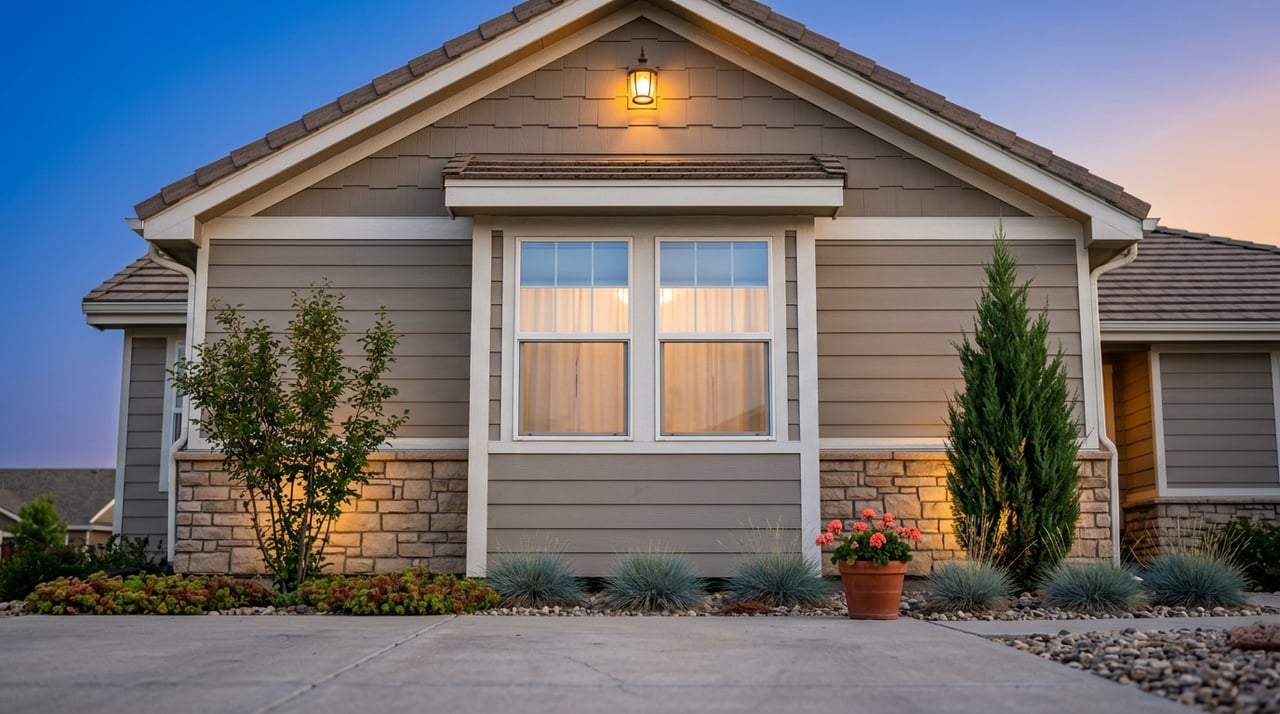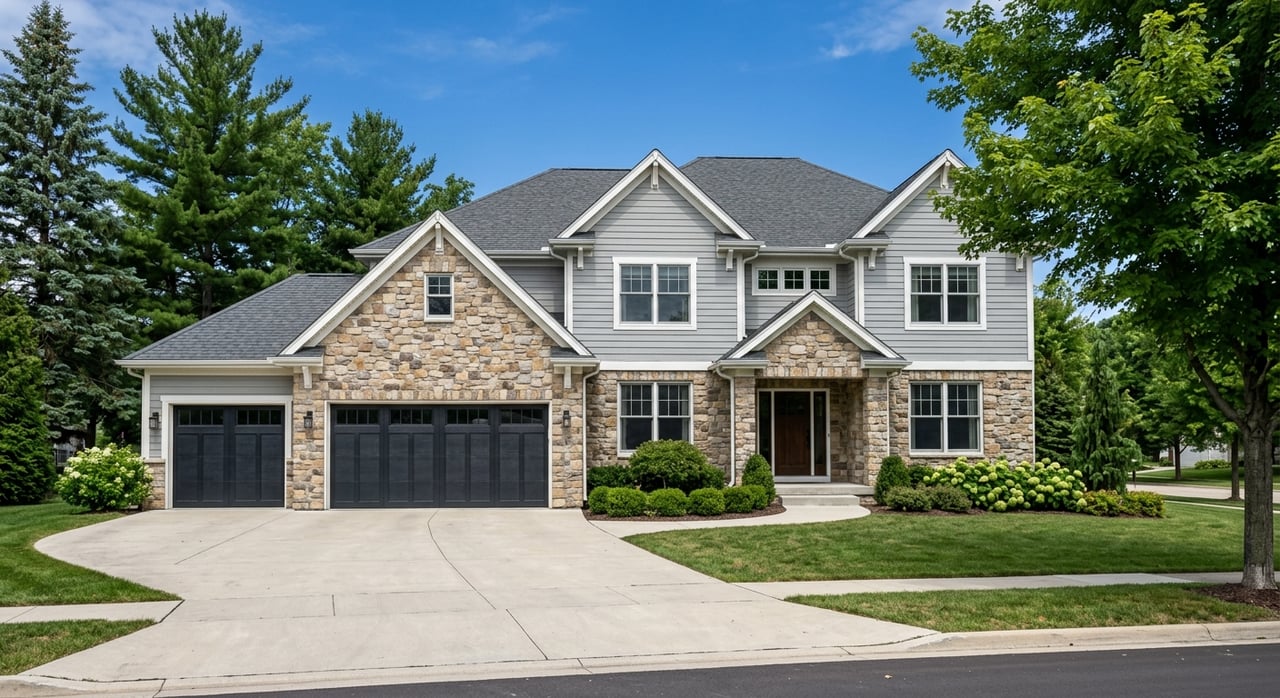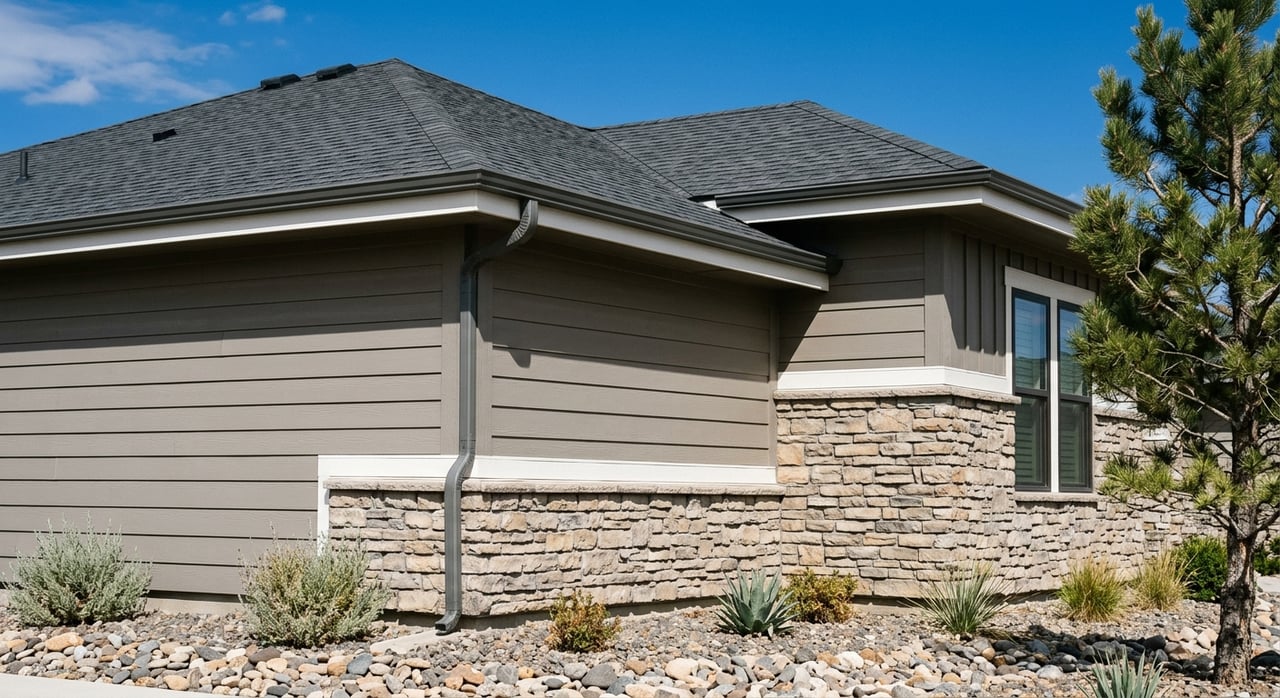
Wondering why one Colorado Springs home seems easy to maintain while another turns into a steady list of repairs and higher utility bills? In this market, weather plays a bigger role than many buyers and sellers expect. If you understand how local climate affects roofs, yards, plumbing, and energy use, you can make smarter decisions and avoid surprises. Let’s dive in.
Colorado Springs Weather at a Glance
Colorado Springs has a semi-arid climate with four distinct seasons, relatively low annual precipitation, and meaningful temperature swings. NOAA climate normals for Colorado Springs Municipal Airport show annual average high and low temperatures of 64.1°F and 36.8°F, with about 15.91 inches of precipitation and 32.5 inches of snowfall each year.
Winter and summer can feel very different here. January averages 45.0°F for highs and 18.5°F for lows, while July averages 86.5°F and 58.2°F. July and August are also the wettest months, which matters when you think about storm season, drainage, and exterior wear.
For homeowners, that climate pattern is more than background information. It shapes your maintenance schedule, utility costs, landscaping choices, and even which home features are likely to hold up better over time.
High Elevation Speeds Exterior Wear
Colorado Springs sits at 6,181 feet above sea level, and that elevation changes how homes age. Higher elevation means stronger UV exposure, which can speed up wear on outdoor materials.
The EPA notes that UV intensity rises by about 6% per kilometer above sea level. It also states that UVB can damage some materials and speed the breakdown of synthetic polymers and other outdoor products. In practical terms, that can mean more frequent upkeep for paint, stain, caulk, trim, plastics, decks, and some roofing components.
If you are buying a home, it helps to look closely at the condition of exterior finishes. Faded paint, brittle caulk, worn stain, and sun-beaten trim may not seem major at first, but they can signal a home that needs near-term maintenance.
If you are selling, this is a good reminder that fresh exterior touch-ups can matter. A well-maintained exterior shows buyers that the home has been cared for in a climate that can be hard on surfaces.
Hail Makes Roof Condition a Big Deal
Along the Colorado Front Range, hail is one of the biggest weather-related risks to a home’s exterior. NOAA identifies this region as a hail-day hotspot, and hail can damage homes, vehicles, and exposed building materials.
That is why roof condition carries extra weight in Colorado Springs. After spring and summer storms, it is wise to check for loose shingles, dented flashing, cracked windows, and siding damage. Even when damage is not obvious from the ground, small issues can lead to bigger repair needs if they go unnoticed.
For buyers, roof age and repair history should be part of your home search conversation. Ask whether the roof has had hail repairs, when it was last inspected, and whether flashing, siding, or window trim has had storm-related damage.
For sellers, being prepared with clear information about roof age and past repairs can build confidence. In a weather-sensitive market like Colorado Springs, buyers often want that detail early.
Freeze-Thaw Cycles Stress Homes
Colorado Springs weather does not just swing from season to season. It can also shift quickly enough to create freeze-thaw stress, which affects both visible and hidden parts of a property.
With winter lows in the teens and 20s and summer highs in the 80s, materials regularly expand and contract. Over time, that movement can affect caulk lines, exterior seals, roofing materials, hardscape surfaces, and underground pipes.
Colorado Springs Utilities says the city’s rapid freeze-thaw cycle is the most common cause of water main breaks because shifting soil puts stress on underground lines. That same pattern is a helpful clue for homeowners: even if a house looks solid cosmetically, the systems behind the walls and beneath the yard deserve attention too.
When you evaluate a home, it is smart to ask about any history of frozen pipes, plumbing repairs, or service-line issues. These are practical questions in a climate where weather can directly affect the home’s infrastructure.
Insulation and Air Sealing Matter Here
Because Colorado Springs has both cold winters and warm summers, homes need to perform well in more than one season. A house that leaks air or lacks good insulation can be less comfortable and more expensive to run.
Colorado Springs Utilities says insulation and air sealing can reduce heating and cooling bills by up to 15% in older homes. Its home-efficiency guidance also emphasizes insulation, air sealing, and thermostat controls as important ways to improve performance.
That means buyers should pay attention to more than square footage and finishes. Ask about attic and wall insulation, window performance, furnace age, air conditioner age, and whether air sealing updates have been made.
For sellers, these upgrades can also improve marketability. Buyers often appreciate homes that offer not just style, but also predictable day-to-day comfort and lower operating costs.
Winter Can Affect Plumbing Fast
Cold snaps are a regular part of life in Colorado Springs, and plumbing is one of the systems most affected by winter weather. Frozen lines can happen quickly if pipes are poorly protected.
Colorado Springs Utilities recommends insulating pipes, opening cabinet doors on especially cold days, and keeping some heat on when you are away. It also notes that indoor and outdoor service lines are the responsibility of the homeowner or property owner.
That is important for both current owners and future buyers. If a home has vulnerable plumbing locations, older insulation, or a history of winter-related issues, that can affect both maintenance planning and ownership costs.
A simple question about frozen pipes can reveal a lot. It may point to prior repairs, weak insulation, or areas of the home that need extra seasonal care.
Landscaping Should Fit the Climate
In Colorado Springs, yard design is not just about appearance. It also affects water use, maintenance needs, and monthly costs.
Colorado Springs Utilities describes the area as semi-arid and notes that most local water comes from high-country snowmelt that travels a long distance through tunnels and pipes. That helps explain why water conservation is part of everyday homeownership here, not a niche preference.
Colorado Springs Utilities allows watering up to three days a week, and from May 1 to October 15, watering should happen before 10 a.m. or after 6 p.m. to reduce evaporation. The utility also requires leaking sprinkler systems to be repaired within 10 days and asks residents not to let water pool on hard surfaces or run into gutters.
For buyers, these rules make one thing clear: a high-water yard can mean more upkeep, more expense, and a landscape that fights the local climate. A yard that already fits Colorado Springs conditions may be easier and more affordable to maintain.
Xeriscaping Is Practical, Not Bare
Some buyers hear the word xeriscape and picture a yard full of rock and nothing else. That is not what local guidance describes.
Colorado State University Extension defines xeriscape as the use of plant materials and practices that minimize landscaping water use. In other words, the goal is a lower-water landscape that still looks intentional and attractive.
Extension guidance also notes that more than half of household water use in Colorado can go to landscaping. That makes the yard a major factor in ongoing ownership costs.
Water-wise plants, mulch, and grouping plants by similar water needs can all help. For hot, dry south and west exposures, water-wise ground covers can work especially well. Extension guidance also points to buffalo grass and blue grama as examples of water-conserving turf.
If you are shopping for a home, pay attention to whether the landscape appears adapted to reduced-water conditions. Trees and shrubs chosen for Colorado’s climate can make a yard more resilient and less demanding over time.
What Buyers Should Look For
When you tour homes in Colorado Springs, weather should be part of your checklist. A beautiful house can still come with extra costs if its systems and materials are not well matched to the local climate.
Here are a few smart questions to ask:
- How old is the roof, and has it had hail repairs?
- When was the roof last inspected?
- Are there signs of siding, flashing, or window damage from storms?
- What type of insulation is in the attic and walls?
- Have air sealing or efficiency upgrades been completed?
- How old are the furnace and air conditioner?
- Has the home ever had frozen pipes or service-line issues?
- What is the condition of the sprinkler system?
- Does the yard use water-wise landscaping or high-water turf?
These questions can help you see beyond the listing photos. They also help you compare homes based on real-world ownership demands, not just appearance.
What Sellers Should Address
If you plan to sell, weather-related maintenance can shape how buyers view your home. In Colorado Springs, buyers often notice clues that point to future upkeep.
Before listing, it may help to review the home with local climate in mind. Exterior paint, caulk, roof condition, window seals, sprinkler performance, and seasonal plumbing protection can all influence buyer confidence.
You do not need to make every upgrade at once. But documenting repairs, staying ahead of visible wear, and showing that the home has been maintained for Colorado Springs conditions can support a smoother sale.
Why Local Guidance Matters
Colorado Springs weather is not extreme in just one way. It combines high elevation sun, hail risk, dry conditions, winter cold, summer heat, and freeze-thaw cycles. Together, those factors shape how a home looks, performs, and costs to own.
That is why local insight matters when you buy or sell here. A home is more than its floor plan or finish level. In this market, the right questions about weather-related durability and maintenance can help you make a better decision from the start.
Whether you are relocating, buying your first home, or preparing to sell, understanding how climate affects property is part of making a confident move. If you want practical guidance tailored to Colorado Springs homes and neighborhoods, connect with The Daniels Team.
FAQs
How does Colorado Springs weather affect home maintenance?
- Colorado Springs weather can increase wear on roofs, paint, caulk, siding, plumbing, and landscaping because of UV exposure, hail, temperature swings, and freeze-thaw cycles.
What weather issue matters most for Colorado Springs roofs?
- Hail is a major concern in Colorado Springs, and buyers should ask about roof age, storm repairs, and recent inspections.
Why is xeriscaping useful for Colorado Springs homes?
- Xeriscaping helps reduce landscape water use, which matters in Colorado Springs because the area is semi-arid and outdoor watering has local rules and limits.
What should buyers ask about insulation in Colorado Springs homes?
- Buyers should ask about attic and wall insulation, air sealing, window performance, and the age of heating and cooling systems because local weather creates both winter heating and summer cooling demand.
How can winter weather affect plumbing in Colorado Springs?
- Winter weather can lead to frozen pipes and stress on service lines, so it is smart to ask whether a home has had any frozen water lines or plumbing issues in past cold periods.