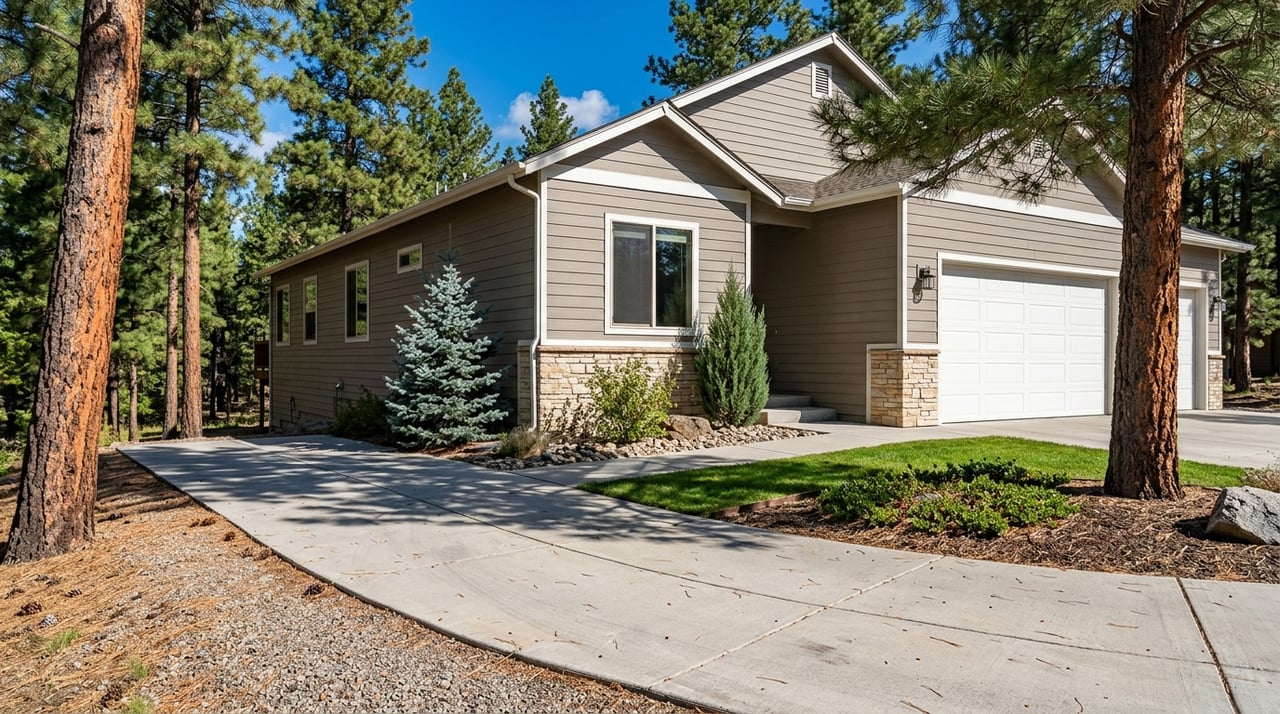
If you love the idea of more space, taller pines, and a quieter daily rhythm without feeling cut off from Colorado Springs, Black Forest deserves a closer look. For many buyers, this area offers a rare balance: a rural feel, room to spread out, and easy access to trails, parks, and day-to-day routes into town. In this guide, you’ll get a clear picture of what it’s like to live in Black Forest, what kinds of homes and land patterns you can expect, and why this part of El Paso County stands out. Let’s dive in.
What Black Forest Feels Like
Black Forest is a large, low-density community in El Paso County with 15,097 residents spread across 100.64 square miles, according to the U.S. Census Bureau. That works out to about 150 people per square mile, which helps explain why the area feels open and less crowded than many in-town neighborhoods.
The housing profile also tells an important story. The Census reports a 95.8% owner-occupied housing rate and a median owner-occupied housing value of $856,200, pointing to a community that is largely made up of long-term homeowners rather than dense, turnover-heavy housing patterns. If you are looking for a place with a more established residential feel, Black Forest may check that box.
County planning documents describe Black Forest as one of El Paso County’s strongest and most established communities, with a continued focus on protecting the forest and preserving rural quality. That language fits what many buyers notice right away: this is a place where the natural setting matters just as much as the homes themselves.
Why Buyers Choose Black Forest
For many people, Black Forest is appealing because it feels like a middle ground. You get more privacy, more trees, and more land than you typically find in denser neighborhoods, but you are not necessarily choosing a fully remote lifestyle.
El Paso County planning describes the area as part of a Large-Lot Residential pattern, where single-family homes are commonly located on 2.5 acres or more. The same planning framework notes that these areas are generally more connected and less remote than truly rural locations. In practical terms, that often means you can enjoy acreage living while staying tied into the broader Colorado Springs area.
This setup tends to attract buyers who value:
- More separation between homes
- A wooded setting with a rural feel
- Space for gardens, outbuildings, or flexible outdoor use
- Access to trails, open space, and horse-friendly amenities
- A home environment that feels quieter and less dense
If you have been comparing suburban neighborhoods with acreage properties, Black Forest often becomes a serious contender because it offers both breathing room and regional access.
Homes and Land Patterns
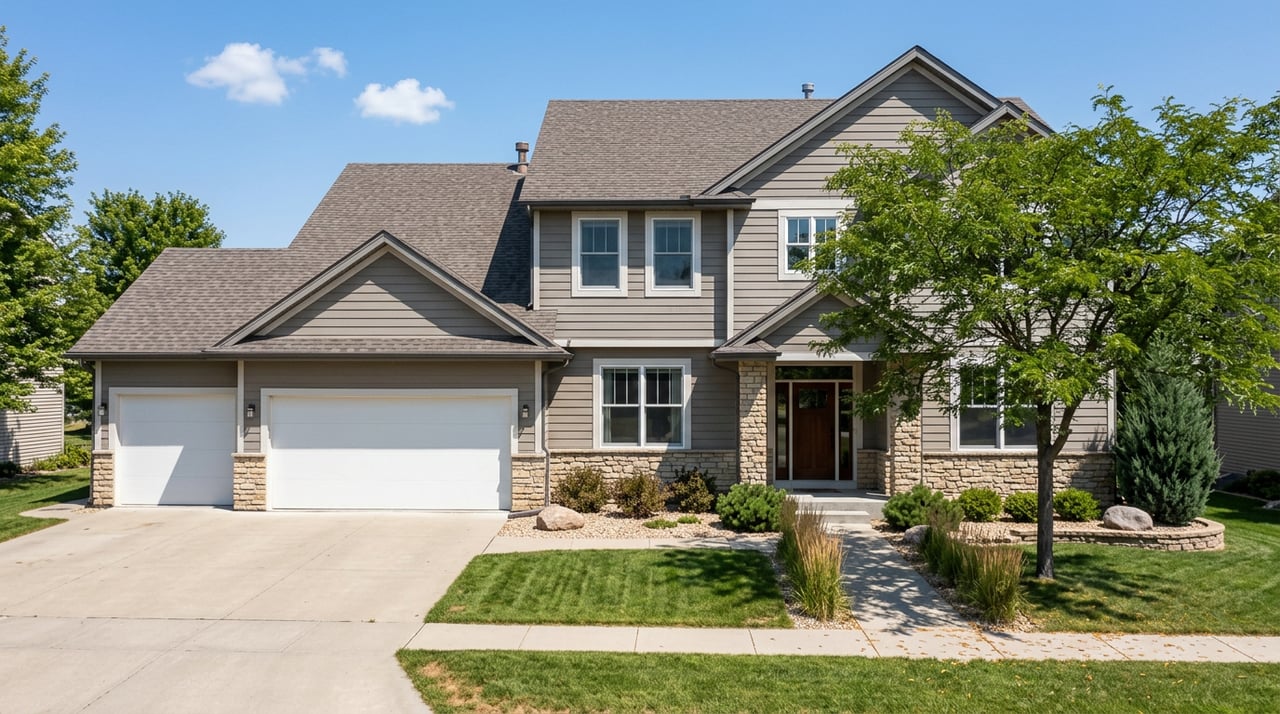
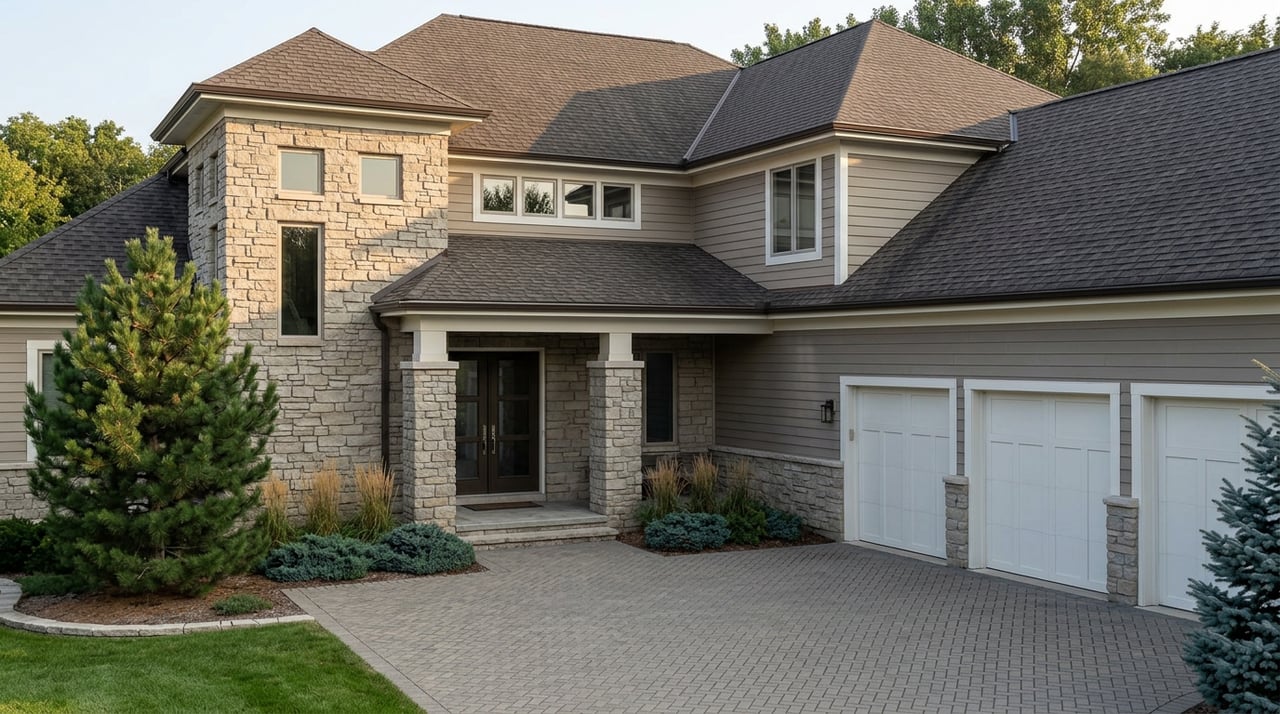
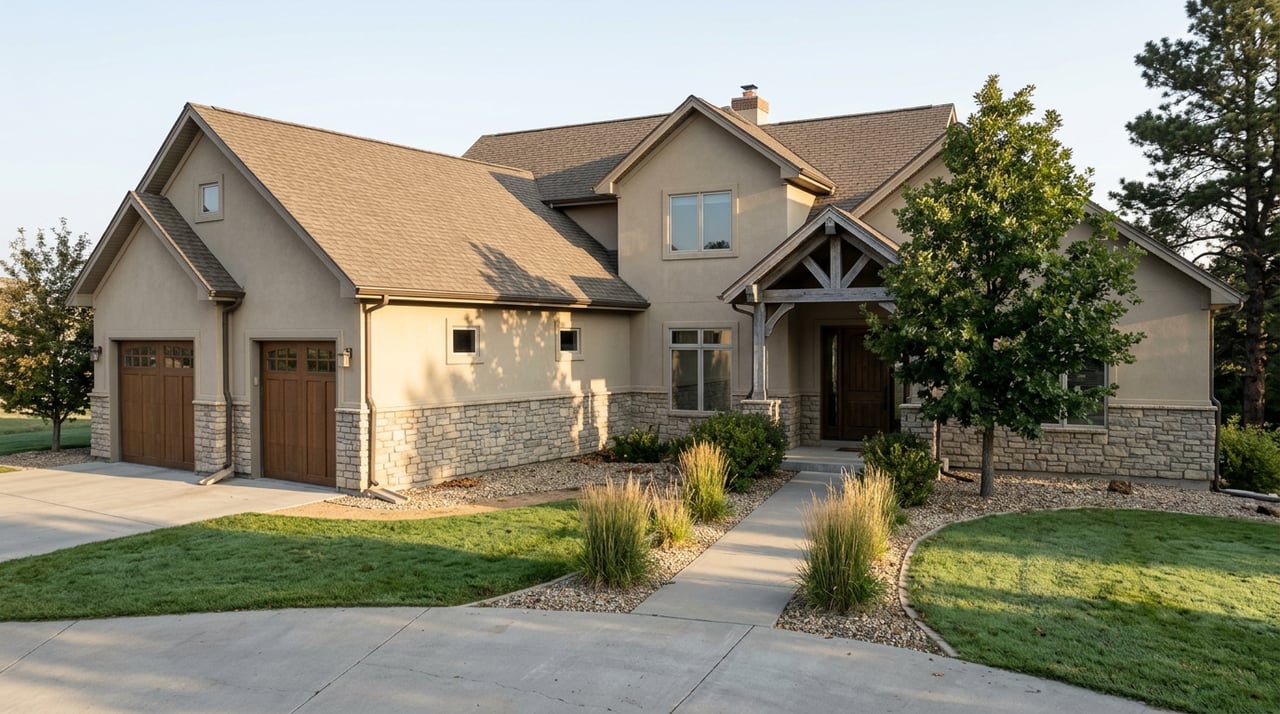
Black Forest is not defined by compact subdivision living. Instead, the area is known for single-family homes on larger parcels, often with a layout and lot size that create more privacy and flexibility.
Because the county’s land-use pattern supports large-lot residential living and agriculture as a supporting use, buyers often find properties with room for things that are harder to accommodate in tighter neighborhoods. Depending on the property, that could mean extra garage or workshop space, room for hobbies, outdoor equipment, gardening, or a more expansive backyard setup.
What matters most is the overall lifestyle these properties support. Instead of focusing only on square footage inside the house, many buyers in Black Forest are also thinking about how they want to use the land around it.
Outdoor Living Is a Major Draw
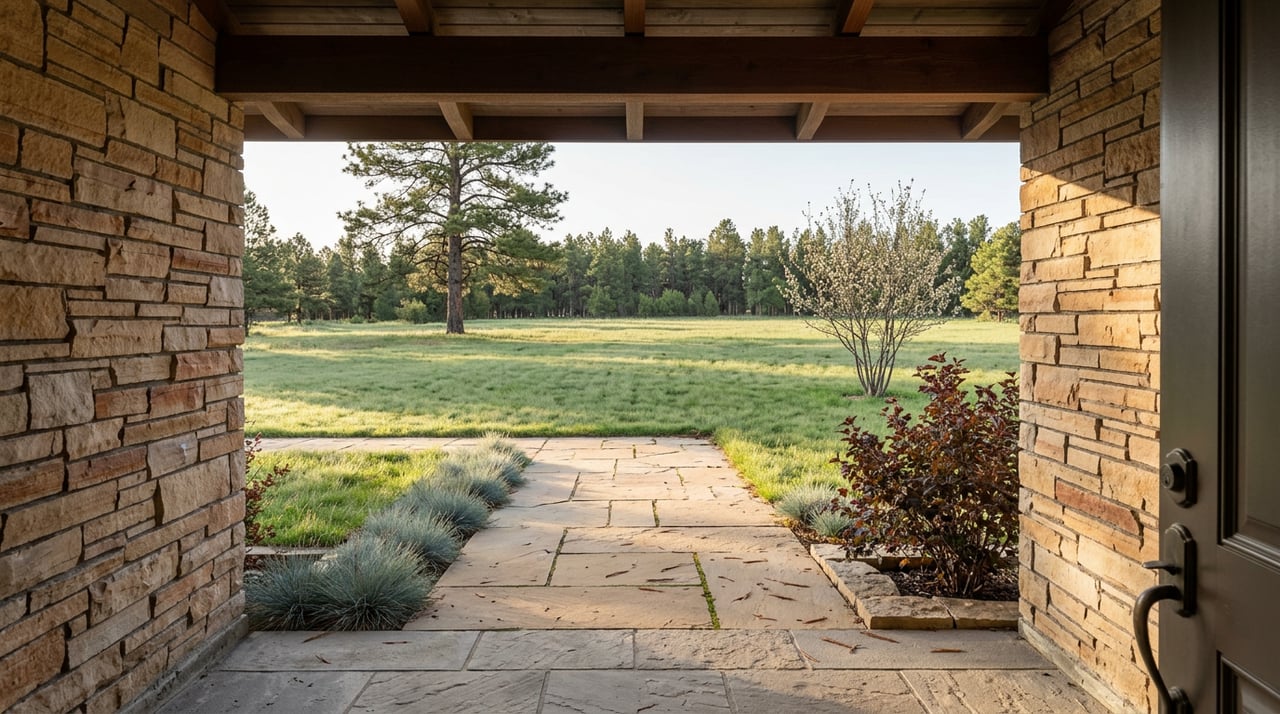
If being outside is part of how you want to live, Black Forest has real substance behind its reputation. The area offers multiple public spaces that support hiking, biking, horseback riding, and time in nature among the pines.
Black Forest Regional Park includes 385 acres of ponderosa pines and natural clearings. The park features hiking, horseback riding, mountain biking, playing fields, picnic areas, and year-round restrooms, making it a useful everyday recreation option for residents.
The same county parks source highlights Pineries Open Space, which adds 1,070 acres of pine forest, meadows, wetlands, and wildlife habitat, along with about 9 miles of single-track trail for hiking, biking, and horseback riding. This gives residents another large-scale open-space option close to home.
Other nearby outdoor resources add even more variety. Black Forest Section 16 offers a 90-acre open-space parcel with a multi-use perimeter trail system for non-motorized users, including equestrians. Homestead Ranch Regional Park, located at the edge of Black Forest, includes more than 5 miles of trails and horse-friendly amenities.
That trail-oriented identity is reinforced by the Black Forest Trails Association, which works to create a safe, non-motorized, multi-use trail system that connects neighborhoods to the wider El Paso County regional trail network. If you picture yourself spending weekends on horseback, walking under the pines, or heading out for a bike ride without driving far, Black Forest supports that lifestyle in a meaningful way.
Commuting and Daily Access
One of the biggest questions buyers ask is simple: Will Black Forest feel too far out? The answer depends on your routine, but the area remains clearly connected to Colorado Springs.
County park directions show that Black Forest Regional Park is reached from I-25 via Highway 83 and Shoup Road. Pineries Open Space can be accessed from I-25 and Interquest or from East Woodmen Road via Black Forest Road and Vollmer Road. These route references help illustrate that, while Black Forest feels separate from denser parts of town, it still fits into the everyday travel map for many residents.
There is also a Black Forest Park-n-Ride operated by the City of Colorado Springs at Black Forest Road and Woodmen Road. That is another sign that the area functions as part of the broader regional commute pattern.
For many buyers, this is a key advantage. You can come home to trees, larger lots, and a quieter setting while still maintaining access to Colorado Springs for work, errands, and recreation.
Who Black Forest Fits Best
Black Forest is not the right fit for every buyer, and that is exactly why it appeals so strongly to the right one. If you want a highly walkable, dense neighborhood with nearby retail on every corner, you may prefer a different setting.
But if you are looking for a home that offers more privacy, a stronger connection to the outdoors, and a property that gives you room to live differently, Black Forest is worth serious attention. The area’s low population density, high owner-occupancy, large-lot pattern, and trail access all support a lifestyle centered on space and long-term livability.
This can be especially appealing if you are relocating to the Pikes Peak region and trying to decide between a more conventional neighborhood and an acreage property. Black Forest offers a distinctive option that feels rural in character while remaining tied to the Colorado Springs market.
What to Consider Before You Buy
Before you make a move to Black Forest, it helps to think beyond the house itself and focus on your day-to-day priorities. Lifestyle fit matters here as much as property specs.
Ask yourself:
- How much land do you actually want to maintain?
- Do you prefer privacy over close-in convenience?
- How important is trail access or horse-friendly recreation?
- Would you use extra space for hobbies, storage, or outdoor projects?
- How does your typical commute line up with Black Forest road access?
When you answer these questions honestly, it becomes easier to decide whether Black Forest matches your goals. For the right buyer, it can offer a level of space and calm that is hard to duplicate elsewhere in the region.
Why Local Guidance Matters
Buying in a market like Black Forest often requires a different lens than buying in a typical suburban neighborhood. Lot size, property layout, outdoor features, and access patterns can all play a bigger role in your decision.
That is where local guidance can make a real difference. When you understand how Black Forest fits into the larger Colorado Springs and Pikes Peak market, you can compare options more clearly and focus on the properties that truly support your lifestyle.
If you are exploring homes in Black Forest or weighing acreage living against other Colorado Springs area options, The Daniels Team can help you sort through the trade-offs and find the right fit for your goals.
FAQs
What is it like to live in Black Forest, Colorado?
- Black Forest offers a low-density, residential setting with large lots, mature pines, and a more rural feel than many Colorado Springs neighborhoods, while still remaining connected to the region.
What types of homes are common in Black Forest?
- Homes in Black Forest are typically single-family properties on larger parcels, with county planning describing the area as a large-lot residential community where lots are often 2.5 acres or more.
Does Black Forest have trails and parks nearby?
- Yes. Black Forest Regional Park, Pineries Open Space, Section 16, and Homestead Ranch Regional Park all support outdoor recreation, including hiking, biking, and horseback riding.
Is Black Forest a good fit for buyers who want acreage?
- Black Forest can be a strong fit if you want more land, greater separation between homes, and a property that supports a quieter, outdoor-oriented lifestyle.
Is Black Forest connected to Colorado Springs for commuting?
- Yes. Access routes through Highway 83, Shoup Road, Black Forest Road, Vollmer Road, and nearby connections to I-25 help keep Black Forest tied to Colorado Springs for day-to-day travel.